
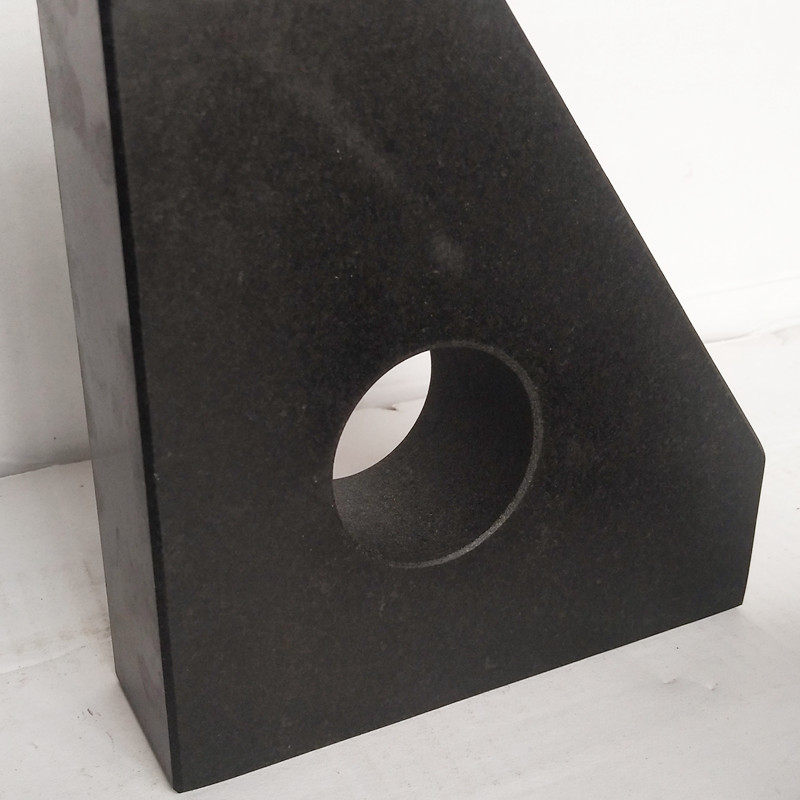
frosted glass shelves
Understanding the No-Go Ring Gauge A Key Tool in Precision Engineering In the world of precision engineering and manufacturing, the No-Go ring gauge serves as a critical tool for quality control and dimensional accuracy. This specialized gauge is part of a broader family of measurement devices that engineers, machinists, and quality control inspectors use to ensure that manufactured components meet their specified tolerances. Understanding its function, design, and application is essential for anyone involved in manufacturing processes. What is a No-Go Ring Gauge? A No-Go ring gauge is a cylindrical device that is used to check the size of a shaft or external diameter of a workpiece. The term No-Go indicates that the gauge should not fit onto the part being measured if the part is within the specified tolerance. Essentially, it is a form of limit gauge that helps ascertain whether a manufactured component has exceeded its maximum allowable dimensions. How Does It Work? The No-Go ring is designed to be slightly larger than the maximum allowable dimension specified for the part being measured. For a proper fit to be achieved, the part must be inserted into the gauge. If the part fits into the No-Go gauge, it indicates that the part exceeds its allowable size, and thus, it is considered out of tolerance. Conversely, if the part does not fit, it is within specifications. This binary assessment simplifies the inspection process and allows for quick determinations concerning the acceptability of components. Construction and Calibration no go ring gage A No-Go ring gauge is typically made of high-quality tool steel or similar materials to ensure durability and long-term accuracy. The gauge is precision-engineered to ensure that it maintains its dimensional integrity over time, which is crucial in a manufacturing environment where tolerances can be very tight. Regular calibration of these gauges is essential to maintain their accuracy. Calibration ensures that the gauge continues to provide reliable measurements and remains effective in quality control processes. Typically, manufacturers follow strict procedures to check and recalibrate these gauges periodically based on industry standards. Application in Manufacturing The No-Go ring gauge is particularly valuable in industries where precision is critical, such as automotive, aerospace, and medical device manufacturing. For instance, in the production of engine components, a No-Go gauge might be employed to verify whether a shaft adheres to the specified diameter requirements. If the shaft is too large, it may not fit properly in its intended assembly, potentially leading to mechanical failures. The use of No-Go gauges also enhances overall efficiency in production by reducing the likelihood of defective parts proceeding through the manufacturing process. By catching out-of-tolerance components early, manufacturers can save on costs associated with rework and scrap. Conclusion In summary, the No-Go ring gauge is an essential instrument in precision engineering that plays a vital role in quality assurance. Its design allows for straightforward evaluation of manufactured components, ensuring they meet strict dimensional tolerances. By using this tool effectively, manufacturers can enhance production efficiency, reduce waste, and improve the overall quality of their products. Understanding and properly utilizing No-Go ring gauges is integral for anyone involved in the manufacturing process, reinforcing the importance of precision in modern engineering practices. As industries continue to evolve and demand higher standards, tools like the No-Go ring gauge will remain essential in the quest for quality and accuracy.
about
frosted glass shelves
Understanding Snap Micrometers Precision Measurement Tools in Engineering The snap micrometer, often simply referred to as a micrometer, is an instrumental tool in precision engineering and manufacturing, celebrated for its ability to measure small dimensions with remarkable accuracy. The origins of the micrometer date back to the 17th century, but the evolution of snap micrometers has made them indispensable in modern precision measurement applications. What is a Snap Micrometer? A snap micrometer features a unique design, consisting of two main parts a fixed anvil and a movable spindle that is adjusted via a screw mechanism. The measurement of an object occurs between the anvil and the spindle, which can be precisely turned to create a small gap for measurement. The measurement range of traditional micrometers is typically from 0 to 25 millimeters or other selected ranges, which can be further divided into more specific decimal points. The term snap refers to the micrometer's mechanism, where the spindle can snap into place when the object being measured is inserted, allowing for an immediate and secure measurement. This feature adds efficiency to the measurement process, ensuring that users can quickly obtain readings without the fear of misalignment or variance. Key Features and Benefits 1. Accuracy Snap micrometers are known for their exceptional accuracy, often capable of measuring to the nearest 0.01 millimeters or finer, depending on the model. This level of precision is critical in industries that require tight tolerances, such as aerospace, automotive, and electronics. 2. Ease of Use The intuitive design allows users to measure objects without extensive training. The clear scale and locking mechanism ensure that users can obtain reliable readings consistently, making it ideal for professionals and hobbyists alike. snap micrometer 3. Durability Many snap micrometers are constructed from high-quality materials, such as hardened steel or stainless steel, which not only enhances their durability but also helps preserve accuracy through consistent use . The robust design contributes to their longevity even in harsh working environments. 4. Versatility Different types of snap micrometers are available, tailored for various applications. For instance, there are specific models for measuring external dimensions, internal dimensions, and depths, making them versatile tools in any workshop or lab. Applications in Industry Snap micrometers are widely employed in different sectors where precision measurements are crucial. In manufacturing, they are essential for ensuring that parts fit together correctly, contributing to overall product quality. In laboratories, snap micrometers are used for research and development, where precision measurements can influence experimental outcomes. Additionally, these tools play a vital role in quality control. By regularly checking dimensions against specifications, manufacturers can maintain product standards and reduce waste due to faulty measurements. Conclusion In summary, the snap micrometer is a vital tool in the realm of precision measurement. With its accuracy, ease of use, durability, and versatility, it stands out as an essential instrument for engineers, machinists, and researchers alike. As industries continue to push the envelope in terms of technology and precision, the snap micrometer will undoubtedly remain a reliable partner in the quest for excellence in measurement. Whether used in high-stakes manufacturing processes or intricate experimental setups, the snap micrometer exemplifies the importance of accurate measurement in achieving quality and efficiency.
-

High quality industrial productsagement

High quality industrial products
View Details -

Meet the diverse needs of customers

Meet the diverse needs of customers
View Details -

Strict quality control

Strict quality control
View Details -

Top raw materials

Top raw materials
View Details -

Trusted supplier

Trusted supplier
View Details
Our application


news and information
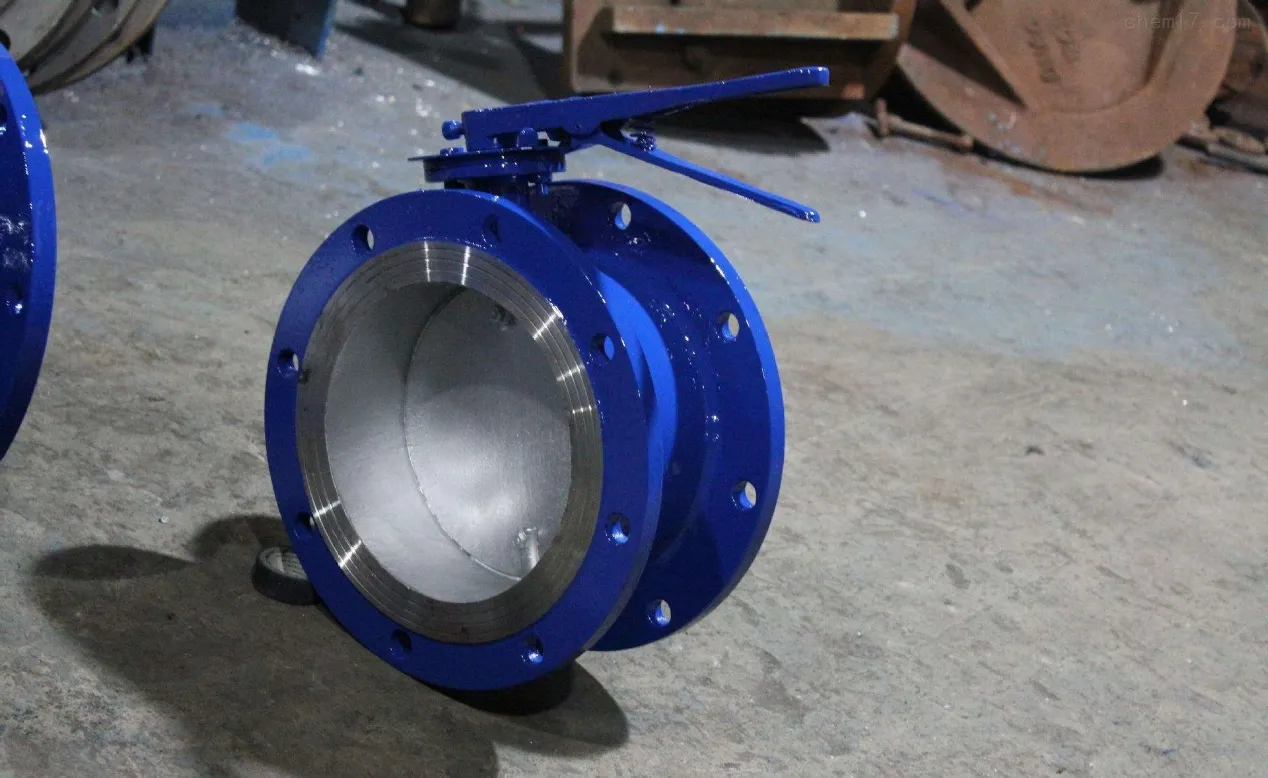
Válvula de mariposa de 1200 mm para aplicaciones industriales y de control de flujo
Válvula de Mariposa de 1200 mm Eficiencia y Aplicaciones en la Industria La válvula de mariposa es u
Using a Thread Ring Gauge for Precision Thread Measurements and Inspections
The Importance of Thread Ring Gauges in Quality Control Thread ring gauges are vital tools used in v
Vanne à papillon DN100 - Solutions de contrôle de fluides de haute qualité
La vanne à soupape DN100 Une solution essentielle pour la gestion des fluides Dans le domaine de l'i
 English